2D Vector Plotter Guide: Best Models & Features 2025
A 2D vector plotter transforms digital designs into precise physical drawings using automated pen movements. These sophisticated machines have evolved from industrial drafting tools to versatile creative instruments, serving architects, engineers, artists, and hobbyists across the United States. Modern vector plotters combine traditional precision with cutting-edge technology to produce stunning line art, technical drawings, and artistic creations.
What is a 2D Vector Plotter
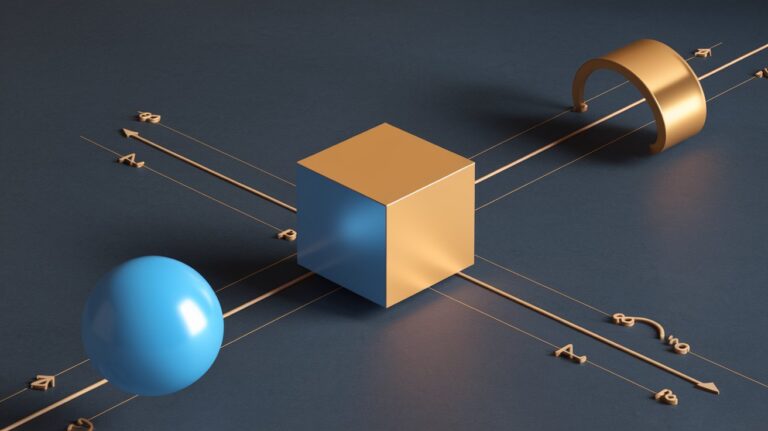
A 2D vector plotter is a computer-controlled drawing device that uses pens, pencils, or markers to create precise line drawings on paper or other flat surfaces. Unlike raster printers that work with pixels, vector plotters interpret mathematical coordinates to draw continuous lines, curves, and shapes. The plotter moves a drawing instrument along X and Y axes to recreate digital vector graphics with exceptional accuracy and consistency.
These machines excel at producing technical drawings, architectural plans, engineering schematics, and artistic illustrations. The vector-based approach ensures that drawings maintain perfect scaling and precision, making them ideal for professional applications where accuracy is paramount. Modern plotters can handle various pen types, from technical drawing pens to brush markers, expanding their creative possibilities.
Types of 2D Vector Plotters
The plotter market offers several distinct categories, each designed for specific applications and user needs. Understanding these types helps users select the most appropriate device for their requirements and budget constraints.
Pen Plotters
Pen plotters represent the most common type of vector plotting device, using standard pens, pencils, or specialized drawing instruments. These plotters typically feature a gantry system where the pen moves along two perpendicular axes to create drawings. Popular models like the AxiDraw and HP 7475A have established pen plotters as the standard for precision drawing tasks, offering drawing areas from 8.5×11 inches to large format sizes exceeding 36 inches.
Flatbed Plotters
Flatbed plotters secure paper to a horizontal surface while the pen assembly moves above it, providing excellent stability for detailed work. These plotters excel at handling various paper sizes and weights, making them popular in architectural and engineering firms throughout the United States. The stationary paper reduces vibration and ensures consistent line quality, though they require more floor space than other plotter types.
Drum Plotters
Drum plotters move paper around a cylindrical drum while the pen moves horizontally, creating a compact design suitable for continuous-feed applications. While less common today, drum plotters remain valuable for specific industrial applications requiring long, continuous drawings. Their unique paper handling system makes them ideal for creating plots longer than typical sheet sizes.
Key Features and Specifications
When evaluating vector plotter specifications, several critical features determine performance, versatility, and suitability for specific applications. These characteristics directly impact drawing quality, speed, and the range of projects a plotter can handle effectively.
Drawing Resolution and Accuracy
Modern vector plotters achieve resolutions typically ranging from 0.025mm to 0.001mm, with high-end models delivering exceptional precision for technical applications. The step resolution determines the smallest movement increment, directly affecting curve smoothness and detail reproduction. Professional plotters maintain positional accuracy within ±0.1mm across the entire drawing surface, ensuring consistent results for technical drawings and artistic projects.
Drawing Speed and Efficiency
Plotting speed varies significantly between models, typically measured in millimeters per second or inches per minute. Entry-level plotters operate at 10-50mm/s, while professional units achieve speeds of 200-500mm/s without compromising accuracy. Advanced acceleration control and optimized path planning algorithms maximize efficiency while maintaining drawing quality, reducing total project completion time.
Paper Handling and Media Support
Quality paper handling systems accommodate various media types and sizes, from standard letter paper to large format sheets measuring 36 inches or more. Advanced plotters feature automatic paper loading, cutting mechanisms, and roll-to-roll capabilities for continuous operation. Media compatibility extends beyond paper to include transparency film, vinyl, cardstock, and specialty drawing surfaces.
Top 2D Vector Plotter Models for 2025
The 2025 plotter market features several standout models that excel in different categories, from affordable desktop units to professional large-format systems. These recommendations reflect current pricing, availability, and performance benchmarks in the United States market.
Desktop Plotters
The AxiDraw V3 leads the desktop category with its 8.5×11 inch drawing area and exceptional precision, priced at approximately $475. The Silhouette Cameo 4 offers versatility at $249, combining cutting and drawing capabilities in a compact design. For budget-conscious users, the XY-plotter DIY kits provide customizable solutions starting around $150, though requiring assembly and calibration expertise.
Professional Large Format Plotters
Professional plotters like the HP DesignJet series continue to dominate large-format applications, with models ranging from $2,000 to $15,000 depending on size and features. The Graphtec CE7000 series provides exceptional cut-and-draw capabilities for sign-making and graphics applications. These professional units offer advanced features like automatic tool changers, precise registration systems, and network connectivity for workplace integration.
Applications and Use Cases
Vector plotter applications span numerous industries and creative fields, each leveraging the unique advantages of precise line drawing capabilities. The versatility of modern plotters has expanded their relevance beyond traditional technical drawing into artistic and educational domains.
Engineering and Technical Drawing
Engineering applications remain a primary use case for vector plotters, producing circuit diagrams, mechanical drawings, and architectural plans with exceptional precision. These technical drawings require perfect scaling and dimensional accuracy that traditional printers cannot match. Many engineering firms across the United States maintain plotter capabilities for client presentations and regulatory submissions requiring hand-drawn aesthetics.
Artistic and Creative Projects
Contemporary artists increasingly embrace plotter art for creating unique pieces that blend digital precision with analog aesthetics. Generative art, mathematical visualizations, and algorithmic compositions find perfect expression through plotter technology. Art schools and maker spaces throughout the United States have adopted plotters as essential tools for exploring computational creativity and bridging digital-physical art boundaries.
Educational Applications
Educational institutions utilize plotters to teach geometry, computer science, and design principles through hands-on visualization. Students can observe how mathematical functions translate into physical drawings, reinforcing abstract concepts through tangible results. STEAM education programs particularly benefit from plotters that demonstrate the intersection of science, technology, engineering, arts, and mathematics.
Software and Programming
Plotter software ranges from simple drawing programs to sophisticated CAD applications and custom programming environments. The choice of software significantly impacts workflow efficiency and creative possibilities, with different platforms serving various skill levels and application requirements.
Professional CAD Software
CAD applications like AutoCAD, SolidWorks, and Fusion 360 provide comprehensive plotting support with advanced features for technical drawing production. These professional packages offer precise control over line weights, plotting scales, and output formatting. Integration with design workflows ensures seamless transition from digital design to physical plotting, maintaining design intent throughout the process.
Creative and Artistic Software
Creative software includes applications like Processing, Grasshopper, and custom Python scripts that generate algorithmic art for plotter output. These tools enable artists to create complex generative designs that would be impossible to draw manually. Open-source plotting libraries and community-developed tools expand creative possibilities while maintaining affordability for independent artists and educators.
Maintenance and Troubleshooting
Proper plotter maintenance ensures consistent performance and extends equipment lifespan, while understanding common issues helps users resolve problems quickly and maintain productivity. Regular maintenance schedules and troubleshooting knowledge are essential for professional environments.
Routine maintenance includes cleaning drawing surfaces, calibrating positioning systems, and replacing worn components like belts and bearings. Pen maintenance involves proper storage, regular cleaning, and timely replacement to prevent ink flow issues and line quality degradation. Environmental factors such as temperature, humidity, and dust levels significantly impact plotter performance and should be controlled in professional settings.
Related video about 2d vector plotter
This video complements the article information with a practical visual demonstration.
What you should know
What is the difference between a vector plotter and a regular printer?
A vector plotter draws continuous lines using physical pens or pencils, creating precise geometric shapes and smooth curves. Regular printers use dots or pixels to reproduce images, making them better for photographs but less suitable for technical drawings requiring exact line work and scaling.
How much does a good 2D vector plotter cost?
Desktop vector plotters range from $150 for DIY kits to $500 for professional models like the AxiDraw. Large-format professional plotters cost $2,000 to $15,000, depending on size and features. Operating costs include pens, paper, and occasional maintenance.
What file formats do vector plotters support?
Most vector plotters support SVG, DXF, HPGL, and PDF formats. Professional models often include additional format support and direct CAD software integration. File preparation typically involves converting designs to vector format and optimizing pen paths for efficient plotting.
Can vector plotters work with different types of pens?
Yes, modern plotters accommodate various pen types including technical drawing pens, felt-tip markers, ballpoint pens, and specialty instruments like brush pens. Pen compatibility depends on the plotter’s holding mechanism and pressure control systems.
How accurate are modern 2D vector plotters?
Professional vector plotters achieve accuracy within ±0.1mm across the drawing surface, with resolutions as fine as 0.001mm. Desktop models typically maintain ±0.2mm accuracy, sufficient for most artistic and educational applications while remaining more affordable.
What maintenance do vector plotters require?
Regular maintenance includes cleaning drawing surfaces, calibrating positioning systems, lubricating moving parts, and replacing worn belts or bearings. Pen maintenance involves proper storage and cleaning to prevent ink clogs. Professional environments should establish weekly cleaning schedules and monthly calibration checks.
| Plotter Type | Price Range | Best Use Case |
|---|---|---|
| Desktop Pen Plotters | $150 – $500 | Art, Education, Small Technical Drawings |
| Professional Large Format | $2,000 – $15,000 | Engineering, Architecture, Commercial Graphics |
| DIY Plotter Kits | $100 – $300 | Learning, Experimentation, Custom Applications |